Cannabis Compounds for Pain Relief: Terpenes and Cannabinoids Explained
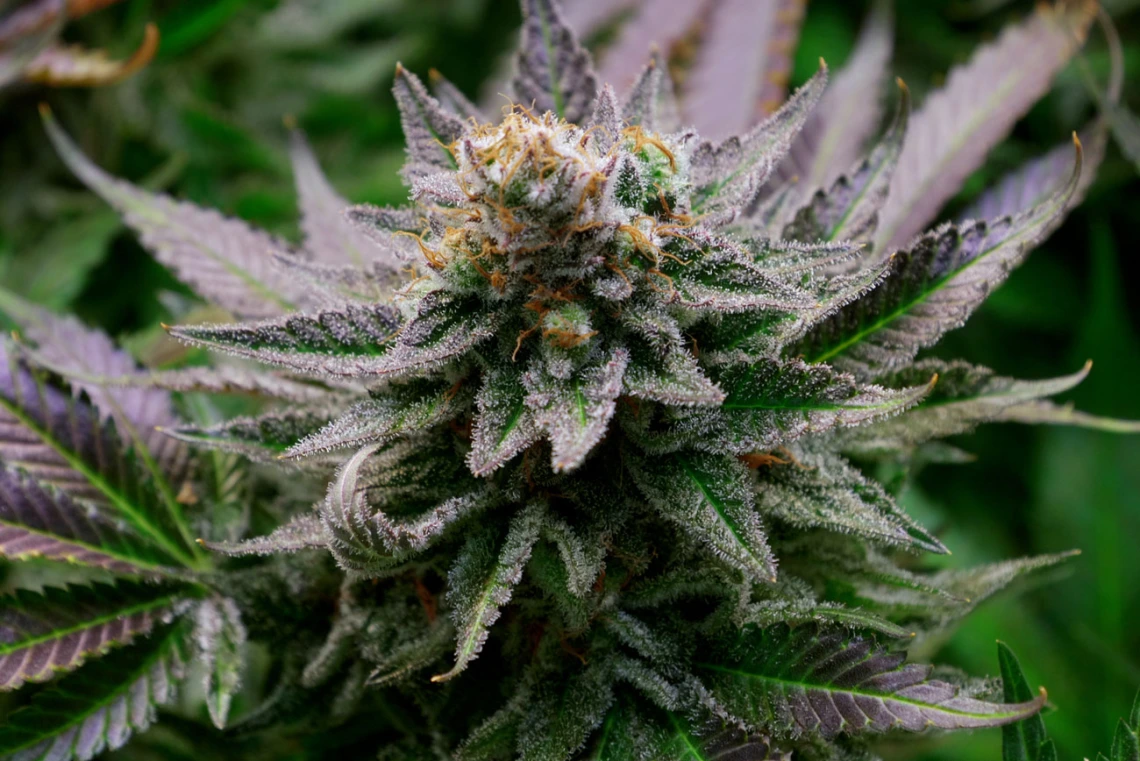
Chronic pain affects millions worldwide, often leading to a decreased quality of life and dependency on synthetic medications. As science dives deeper into natural alternatives, cannabis-derived compounds, especially terpenes and cannabinoids, are emerging as promising agents in pain management. From fibromyalgia to nerve pain, these natural compounds may offer real relief backed by growing research.
In this
blog, we'll explore how terpenes and cannabinoids work, the
science behind their pain-relieving potential, and what this means for people
struggling with chronic pain.
What Are Terpenes?
Terpenes are aromatic compounds found in
many plants, including Cannabis
sativa. They're responsible for the unique smells of herbs, fruits, and
flowers. But terpenes aren't just about aroma—they may also play a therapeutic
role in managing inflammation and pain.
How Do Terpenes Help?
Recent
preclinical studies suggest that terpenes interact with the body's
endocannabinoid system, potentially reducing pain sensitivity. According to
a report published by Neuroscience News, terpenes have shown promise in
managing fibromyalgia and post-surgical pain in lab models.
Common Pain-Relieving Terpenes:
- Myrcene – Known for its sedative
and muscle-relaxing effects
- Limonene – Has anti-inflammatory and
mood-lifting properties
- Linalool – May reduce anxiety and
pain perception
These terpenes
can be found in many cannabis strains, essential oils, and even common foods.
Cannabinoids:
THC & CBD for Pain Management
While
terpenes support the entourage effect of cannabis, cannabinoids like THC
(tetrahydrocannabinol) and CBD (cannabidiol) play a more direct role
in nerve pain relief.
What the Research Says
According
to Wikipedia and various medical sources, cannabinoids may be effective
in treating neuropathic pain, which is often difficult to manage with
standard medications. Cannabinoids bind to CB1 and CB2 receptors in the
body, altering pain signals and reducing inflammation.
- THC: Psychoactive, but known to
provide significant pain relief for certain conditions
- CBD: Non-psychoactive, popular
for its anti-inflammatory and calming effects
However,
clinical evidence varies. While some patients report major relief, others
experience little to no benefit. This inconsistency highlights the need for more
large-scale, controlled trials.
Is Cannabis a Reliable Painkiller?
It's
important to note that not all cannabis-based treatments are created equal.
The dose, strain, method of intake, and individual biology all
influence effectiveness. Some individuals respond well to cannabis therapy,
while others may not find the same level of relief.
In many
regions, cannabis remains under legal scrutiny, and using it as a treatment
should always involve medical consultation.
The Future of Natural Pain Relief
As
research into medical cannabis expands, so does our understanding of how terpenes
and cannabinoids interact with the human body. These compounds may
represent the next generation of natural pain relief, particularly for:
- Fibromyalgia
- Arthritis
- Nerve damage
- Post-operative pain
- Chronic back pain
With a
move toward plant-based solutions and reduced dependence on opioids,
cannabis compounds are gaining traction in the medical community.
Final
Thoughts


Comments
Post a Comment